
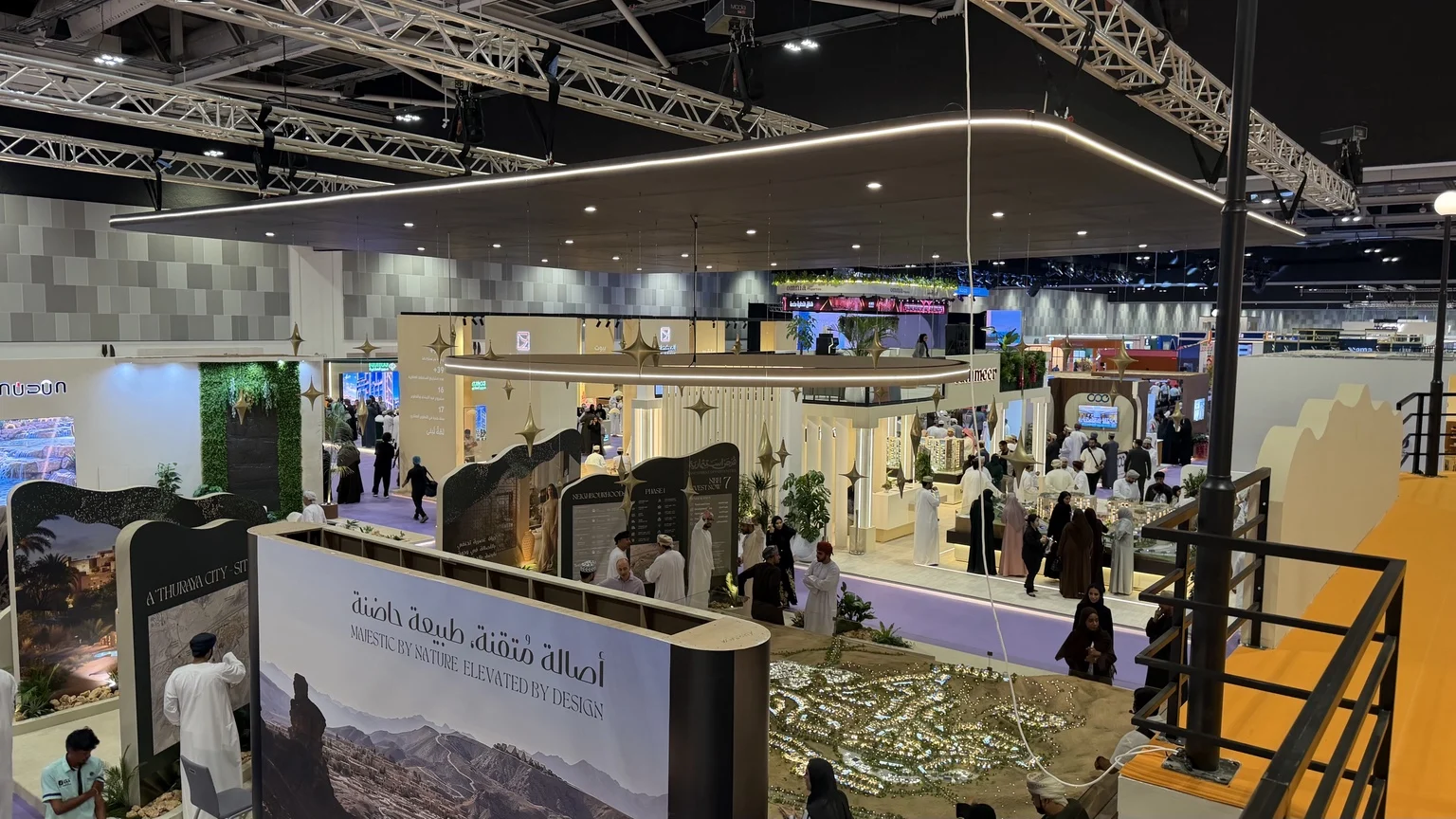
Vision 2040 gives Oman a long-term direction. The investment case for an individual business rests on something more specific: a customer need, a workable operating model and a reason to choose its product or service.
I am most interested in the details that connect an idea to daily operations: how a building will be used, whether a product meets a buyer’s specification, or whether software saves someone time. Those details provide an early test of the commercial argument.
For the practical steps involved in entering the market, read Invest in Oman: A Practical Guide for International Investors.
Read the national direction carefully
Oman Vision 2040 is the national framework for economic and social planning from 2021 to 2040. Its priorities include diversification, innovation, private-sector development and greater integration with the global economy.
The official Invest Oman platform identifies opportunities in manufacturing, logistics, tourism, renewable energy and information and communications technology, among other sectors.
For a prospective partner, this is a starting point for research into customers, competitors and the conditions needed to operate. Each proposal still needs evidence of demand and a realistic account of its costs.
Design for the way a property will be used
Real estate and construction decisions are closely linked. The potential of a site depends partly on what can be built there; the usefulness of the finished building depends on choices made before work begins.
Consider a commercial property. Access, servicing, layout and maintenance will shape the experience of its occupants. Understanding those requirements early helps a developer judge which design features deserve investment.
Construction discipline carries that thinking into delivery. Procurement, coordination and quality control affect both the completion date and the condition in which a building begins its working life. The assessment should look beyond handover and consider the cost and practicality of operating the building.
Build hospitality around the guest
In hospitality, the intended guest shapes the business. A hotel serving business travellers may need a different mix of space, facilities and service from one designed for families or extended stays.
The guest experience depends every day on housekeeping, maintenance and the team’s ability to resolve problems. Operational planning and staff training therefore belong in the project assessment from the beginning.
Room demand, pricing and operating costs need to be considered together, including during quieter periods. A well-defined concept needs an operating plan capable of sustaining the service it promises.
Find an advantage customers can recognise
In manufacturing, local production may offer shorter delivery times, more responsive service or closer collaboration with buyers. The strength of that advantage depends on whether the supplier can also meet expectations on price, specification and consistency.
With nonwoven fabrics, for example, a discussion becomes useful when it reaches the intended application, required quality, order quantities and delivery schedule. This gives a producer a better basis for planning than a broad statement that the market is attractive.
The same thinking applies to industrial services around a factory. Storage, maintenance and distribution may each present a business opportunity where a customer has a recurring need that existing suppliers serve poorly.
Give technology a measurable job
My interest in technology centres on changes people can recognise in their working day. A system that reduces duplicate entry, makes a service request easier to follow or gives a manager reliable stock information has a clear purpose.
The next question is whether people can adopt it. That means understanding existing routines, the quality of the available data and who will maintain the system after launch.
A focused digital service can support several industries without needing to solve every problem at once. Its case becomes stronger when the intended improvement can be observed and measured.
Build the case before expanding it
A credible proposal should be explicit about its assumptions: expected customers, operating costs, delivery constraints and the people responsible for each stage. It should also explain which of these have been tested and which remain uncertain.
I see scope in Oman for businesses that address these practical needs. The proposals I find most persuasive make the connection visible: a national priority, a defined customer and a team capable of serving that customer well.
Continue the conversation
Have an opportunity or perspective to share? I welcome a clear introduction.